Ahead of the 2027 general elections, the Independent National Electoral Commission (INEC) has announced that the national register of voters has risen to more than 103 million.
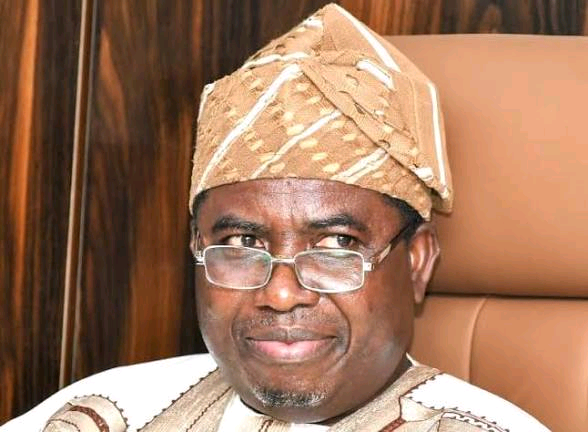
The Chairman of INEC, Prof. Joash Amupitan, disclosed this during a strategic workshop for media executives organised by the Commission in partnership with Development Alternatives Incorporated (DAI) and the Nigerian Guild of Editors (NGE) in Abuja on Monday, October 5, 2026.
The workshop was themed, “Strengthening Democracy Through Partnership Among Editors, Civil Society, and Electoral Institutions.”
Amupitan revealed that INEC’s three-phase Continuous Voter Registration (CVR) exercise had attracted more than 10.6 million new applicants, while the public display of the Preliminary Register for claims and objections had been completed.
He noted that the Commission had also completed the final Automated Biometric Identification System (ABIS) cleanup of the register.
Amupitan also announced that the nationwide collection of Permanent Voter Cards (PVCs) would commence on Friday, October 9, 2026, urging eligible citizens to participate in the process.
He explained that the development was particularly significant as the country approaches the 2027 general elections, with INEC working to ensure that the electoral process is transparent, technology-driven, and credible.
He reiterated the Commission’s commitment to continuously improving the Bimodal Voter Accreditation System (BVAS) and the INEC Result Viewing Portal (IReV) to ensure that every valid vote counts and is seen to count.
The INEC boss highlighted public trust as the ultimate determinant of electoral credibility, emphasising that operational efficiency by INEC alone could not guarantee democratic stability.
“The ultimate arbiter of electoral integrity is public trust,” he said.
Amupitan called for a stronger partnership between INEC, editors, civil society organisations, and other stakeholders, saying the Commission was prepared to listen to editorial concerns, address operational challenges, and provide timely information to prevent misinformation from filling communication gaps.
He urged newsrooms to establish digital fact-verification desks and pledged that INEC would provide editors with direct access to verify field incidents, logistical developments, and security reports in real time.
He further proposed a sustained editorial feedback mechanism between INEC and the NGE to review operational progress and resolve emerging challenges throughout the 2027 election cycle.