
The Comptroller-General of Customs, CGC Adewale Adeniyi, has called on public institutions to make communication an integral part of their decision-making processes, warning that poorly communicated policies could undermine implementation and erode public trust.
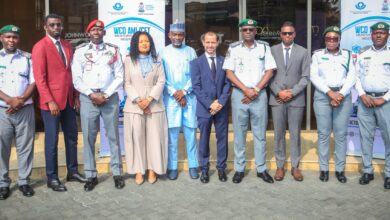
CGC Adeniyi made the call at the World Public Relations Forum (WPRF) in Abuja on November 17, 2026, where he shared lessons from the Nigeria Customs Service’s reform experience.
He emphasised that the success or failure of institutional policies often depends on how effectively they are communicated to stakeholders.
Adeniyi noted that institutional reputation is shaped not only by official statements but also by everyday interactions between public institutions and the people they serve.
He stated that a rude officer at an airport, an unanswered complaint or a poorly handled interaction could influence public perception more than an organisation’s carefully crafted public statements.
Citing the Service’s reform experience, Adeniyi identified five key lessons for public relations professionals — communicating before implementing change, telling the truth even when uncomfortable, verifying information before speaking, ensuring that promises align with results, and listening to stakeholders.
He highlighted the importance of communicating before implementing reforms, while also citing the introduction of the B’Odogwu platform, which replaced the Nigerian Integrated Customs Information System (NICIS) II.
The CGC explained that stakeholder engagement involving importers, agents, terminal operators, and Customs officers, alongside the establishment of help desks and phased implementation, helped improve acceptance of the platform.
Adeniyi added that the initiative had attracted recognition from the African Continental Free Trade Area (AfCFTA) Secretariat as a model for the continent.
The Customs boss also stressed the importance of transparency, citing the Time Release Study (TRS), which revealed that cargo spent approximately five days at Nigerian ports, with more than 90 per cent of the time spent idle.
He said that making the findings public helped expose operational bottlenecks and demonstrate that delays at the ports involved multiple stakeholders rather than a single institution.
On the need to verify information before communicating, the CGC referenced major enforcement interceptions, including the seizure of 844 rifles at Onne in June 2024, as well as the interception of 399 rifles from a Mitsubishi Delica and 389 rifles from MV Vega.
He maintained that such sensitive operations required proper verification, inter-agency coordination, and accurate information before public disclosure.
“Communication must not be treated as an afterthought in institutional reforms; it must be part of the decision-making process from the beginning. When people understand a policy’s purpose, they are more likely to support its implementation,” he said.
Adeniyi emphasised that the NCS’s experience had demonstrated that effective communication, transparency, stakeholder engagement, and listening were essential to building public trust and achieving sustainable reforms.

He further highlighted the Authorised Economic Operator (AEO) programme as an example of how institutions could encourage compliance by rewarding businesses that meet established standards.
He disclosed that 51 companies have attained AEO status, while their cargo clearance time has been reduced from 168 hours to 41 hours. He added that more than 200 other companies had also benefitted from the programme.
The Customs boss further urged public relations professionals to secure a place at the decision-making table, stressing that communication must be considered from the conception of policies rather than after decisions have been taken.
He argued that communication alone could not conceal poor institutional performance, adding that an organisation’s relevance and reputation ultimately depended on the relationship between what it says, what it does, and the experiences of the people it serves.