CAPPA’s Ogunlade Faults COP Process, Says Climate Summit Reduced to Corporate Marketplace


An Associate Director at Corporate Accountability and Public Participation Africa (CAPPA), Olamide Ogunlade has criticised the United Nations Climate Change Conference (COP), saying the global climate platform has gradually been reduced to a marketplace driven by corporate interests rather than a space for genuine climate justice.
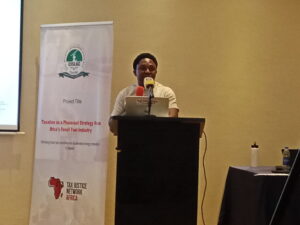
Ogunlade made this assertion at the one-day Policy Dialogue with Legislators on Tax for Fossil Fuel Phase-Out organised by Civil Society Legislative Advocacy Centre (CISLAC) in conjunction with the Tax Justice Network Africa in Lagos on Monday, where he spoke on the growing influence of multinational corporations within the COP process and its implications for frontline and indigenous communities.
According to him, global corporations whose activities significantly contribute to climate change have gained disproportionate access to the COP space, shaping outcomes in ways that prioritise profit over environmental protection and human well-being.
“COP has increasingly become a marketplace,” Ogunlade said. “It is now heavily influenced by global corporations that are largely responsible for the climate crisis we are grappling with today.”
He warned that this corporate dominance has weakened meaningful climate commitments, slowed progress on fossil fuel phase-out, and marginalised voices from communities that bear the brunt of climate impacts.
Ogunlade further linked the trend to protests by indigenous communities in Brazil, noting that their agitation stems from long-standing exclusion from decision-making processes that directly affect their land, livelihoods, and cultural survival.
He explained that for indigenous peoples, forests, rivers, and ecosystems are not commodities but sources of life and identity, making their exclusion from climate negotiations both unjust and counterproductive.
He highlighted that there are a lot of policies on climate change in Nigeria, but the political will to implement them is lacking.
The CAPPA official called on lawmakers to play a more active role in challenging corporate capture of climate governance by enacting strong environmental laws, ensuring transparency in climate negotiations, and supporting a just and inclusive transition away from fossil fuels.
He emphasised that legislative commitment is critical to protecting vulnerable communities, enforcing climate accountability, and repositioning climate action away from corporate interests toward people-centred and rights-based solutions.