Nigeria, Spain Need Legal Migration Quotas to Reduce Deaths on Irregular Routes, Says FIAP Official

By Prosper Okoye
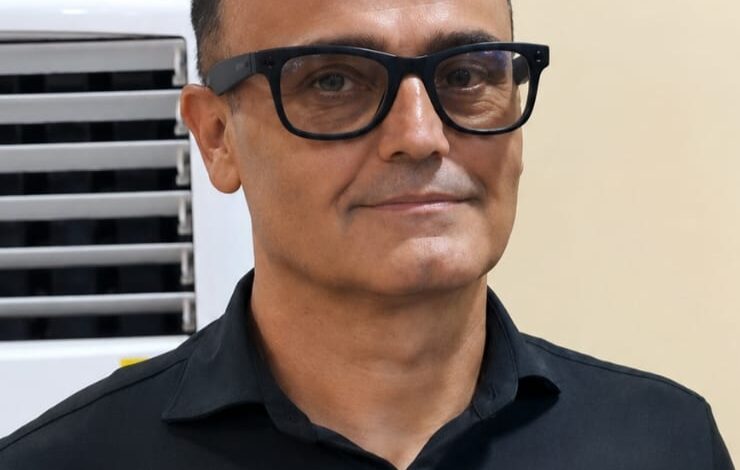
European countries and migrant-sending nations such as Nigeria should establish legal migration quotas linked to labour market needs to reduce deaths along irregular migration routes, FIAP Deputy Team Lead Javier Leon said.
Leon, a former Spanish police chief inspector who oversaw migrant arrivals in the Canary Islands, said restrictive visa policies have failed to curb migration pressures and instead pushed migrants toward increasingly dangerous journeys.
“Europe needs migrants because we need workers,” Leon said in an interview, calling for formal agreements that combine legal migration pathways with cooperation on the return of nationals who migrate irregularly.
His comments come as Europe continues to grapple with migration flows from Africa. Tens of thousands of migrants reached Spain’s Canary Islands in 2024 after attempting the Atlantic crossing from the West African coast, one of the world’s deadliest migration routes.
Leon said about 40,000 migrants arrived on the Islands last year but estimated that thousands more may have died attempting the journey.
“We save a lot of lives, but many are lost in the Atlantic Ocean,” he said.
According to Leon, Spanish authorities receive migrants at ports, where police and Red Cross personnel conduct health screenings and initial interviews. Migrants are then transferred to reception facilities for identification procedures before being moved to centres on mainland Spain.
He disclosed that migrants are generally not detained beyond an initial screening period and are subsequently free to move within Spain and other European Union countries.
Leon acknowledged that deportations remain difficult, partly because some migrants arrive without identification documents or provide false nationalities. He said origin countries do not always recognise returnees as their citizens, creating obstacles for repatriation efforts.
“It’s not easy to deport them,” he said, adding that destination and origin countries must work together on reintegration programmes for returnees.
Leon also rejected allegations that European authorities mistreat deportees before returning them to their home countries, describing such claims as false and saying migrants facing removal are protected by legal and medical safeguards.
On human trafficking, Leon stated that many Nigerian women who arrive in Spain through irregular channels are forced into prostitution to repay debts owed to trafficking networks that financed their journeys. He stressed that victims often fear cooperating with law enforcement because of threats against relatives in Nigeria.
“Efforts to dismantle trafficking networks are frequently hindered by victims’ lack of trust in authorities,” he noted.
Leon argued that expanding legal migration opportunities would reduce migrants’ dependence on smugglers and traffickers while helping European countries address labour shortages.
He further pointed to instability in transit countries such as Niger and Libya as factors reshaping migration patterns, with some migrants increasingly seeking opportunities in the Middle East and Gulf states instead of Europe.
“Legal migration is part of the solution. If there are safe and regulated pathways, fewer people will risk their lives on dangerous routes,” he added.