‘You Copied My Fuel Subsidy Plan But Missed the Point, You’re Intellectually Lazy,’ Atiku Tells Tinubu

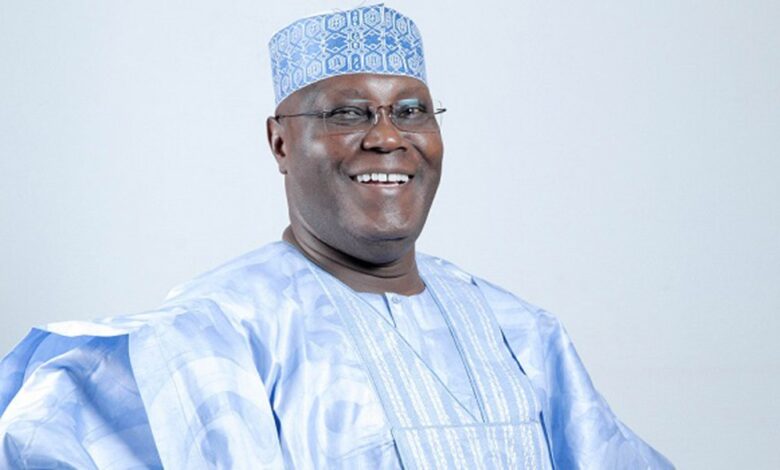
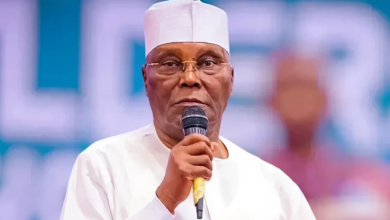
The presidential candidate of the African Democratic Congress (ADC), Atiku Abubakar, has accused President Bola Tinubu of copying his production subsidy proposal for petroleum products but failing to adopt the measures he said would make the policy effective.
Atiku described Tinubu as “intellectually lazy” over the Federal Government’s proposed 30-day fuel discount, arguing that the measure offered only temporary relief rather than a lasting solution to the economic hardship confronting Nigerians.
The former Vice President had on Thursday criticised the FG’s 30-day fuel discount, saying Nigerians would not be “fooled” by the move ahead of the 2027 general elections.
He reiterated his position on Friday, October 9, 2026, while delivering an address at the inauguration of the ADC Presidential Campaign Council in Abuja.
He questioned the sustainability of the proposed discount, asking what would happen after the 30-day period expired.
“More importantly, you owe Nigerians an answer. What happens on day 31? Because you promised for 30 days. Then what happens on day 31?” Atiku asked.
He accused the President of adopting his production subsidy proposal while leaving out the key components he considered necessary for its success.
“Bola, you have borrowed the idea but missed the lesson,” he said.
Atiku explained that his proposal was a targeted plan designed to provide sustained relief, support local refining, and reduce the cost of petroleum products, unlike the government’s temporary discount.
“My production subsidy proposal is a lasting targeted plan. Yours is a temporary palliative dressed up as a solution,” he stated.
He argued that families, transport operators, and businesses needed predictable and lasting relief to plan their activities, adding that a one-month discount would not address the wider effects of high fuel prices on the cost of living.
“Nigerians need lasting relief through a well-thought-out and well-designed production subsidy that supports local refining and lowers fuel costs,” he remarked.
Atiku also challenged the government to explain how the proposed intervention would benefit Nigerians after its expiration.
He maintained that his proposal would support petroleum products refined in Nigeria and sold to Nigerians, with the support capped, included in the budget and independently audited.
“Support petroleum products actually refined in Nigeria and sold to Nigerians. Then you cap that support. Put it in the budget. Audit it independently. Exclude export imports. Show the public what it costs and what they save.”
He further accused the Tinubu administration of imposing economic hardship on Nigerians for more than three years before introducing a temporary discount ahead of the next general election.
According to him, the government should take responsibility for the rising cost of living, declining purchasing power, and increasing operational costs facing businesses.
“You are the president. The petrol price is your problem. The collapse in purchasing power is your problem. The shops closing under the weight of fuel and power costs are your problem,” he said.
Atiku urged the government to address the broader economic challenges facing the country, including food affordability, unreliable electricity, unemployment, and insecurity.
He also called on members of the ADC Presidential Campaign Council to take the party’s message to markets, motor parks, farms, and communities across the country.
He urged the council to explain the party’s proposed policies and how they would be funded, insisting that the campaign should focus on Nigerians’ welfare.
“We must be ready to govern from day one.”
Atiku described the forthcoming general election as a rescue mission and urged Nigerians to exercise their voting rights.
He further called for greater transparency in the electoral process, demanding the immediate public release of polling-unit results, independent audits of election technology, and measures to protect the rights of political parties and election observers.