Petrol Discount to Ease Burden on Nigerians Without Fuel Subsidy – Oyedele
…Says NNPC Retail Cut Is Not Funded by Public Money

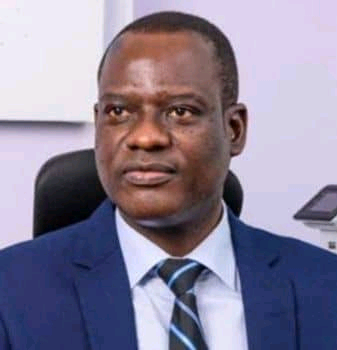
The Minister of Finance and Coordinating Minister of the Economy, Taiwo Oyedele, has said that the petrol price discount introduced by NNPC Retail Limited is aimed at easing the financial burden on Nigerians without reintroducing fuel subsidy.
Oyedele made this known in a statement issued on Friday, October 9, 2026, clarifying that the discount was a commercial decision by the company to reduce its retail profit margin and pass the savings to consumers.
He noted that the initiative, which took effect on October 1, is intended to provide relief to households, commuters, and transporters amid rising fuel prices.
He explained that a margin discount differs from a fuel subsidy because the former is borne by the retailer, while the latter involves the government using public revenue to reduce the price paid by consumers.
The Minister affirmed that NNPC Retail purchases petrol from the Dangote Refinery and other suppliers at market prices before adding its retail margin to determine the pump price.
He maintained that the discount was not funded by the Federal Government’s budget or the Federation Account, adding that the reduction came entirely from the company’s retail margin.
Oyedele also dismissed concerns that the initiative could reduce profits for NNPC Retail and, consequently, dividends paid to the Federation.
He clarified that the lower margin per litre could be offset by increased sales volumes over time, while the discount could help build customer loyalty and strengthen the company’s business.
According to him, the strategy could ultimately increase NNPC Retail’s profits and the dividends accruing to the Federation.
The Minister further argued that the discount was unlikely to distort the domestic fuel market or encourage smuggling into neighbouring countries.
He stated that the retail margin on petrol accounts for less than five per cent of the pump price, while petrol prices in neighbouring countries are between 20 and 40 per cent higher than those in Nigeria.
Oyedele emphasised that the discount was part of broader government efforts to reduce the impact of fuel prices on households and businesses.
Other measures include expanding Compressed Natural Gas (CNG) transport, waiving taxes and duties on petrol, and removing illegal levies that increase transportation costs.
He reiterated that the measures were designed to provide relief to Nigerians without returning the country to a fuel subsidy regime that the government ended in 2023.