
Atiku Welcomes Suspension of WAEC, NECO Fee Hike, Faults FG’s ‘Trial-and-Error’ Governance

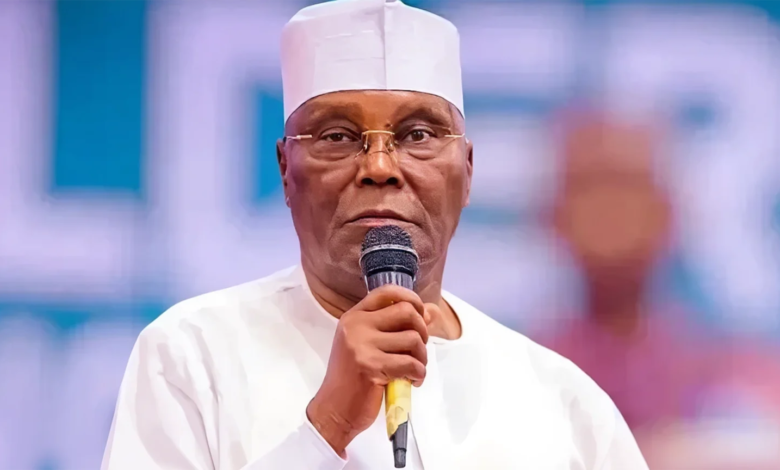
The presidential candidate of the African Democratic Congress (ADC), Atiku Abubakar, has welcomed the suspension of the proposed hike in the registration fees for the West African Examinations Council (WAEC) and the National Examinations Council (NECO), faulting what he described as the Federal Government’s trial-and-error approach to governance.
ThelensNG reports that the FG, through the Ministry of Education, on Monday suspended the proposed review of registration fees for the 2027 West African Senior School Certificate Examination (WASSCE) and the National Examinations Council Senior School Certificate Examination (SSCE), pending wider consultations with stakeholders.
Reacting to the development, Atiku said: “I welcome the Federal Government’s decision to suspend the proposed increase in WAEC and NECO registration fees. This reversal is a victory for millions of Nigerian parents, students, civil society organisations, and all citizens who refused to remain silent in the face of an unjust policy. The government announced the suspension after widespread criticism of the proposed increase.”
He noted that the decision vindicates the concerns he had expressed when he warned that pricing public examinations beyond the reach of ordinary Nigerians would deepen educational inequality, worsen the out-of-school children crisis, and deny countless brilliant but indigent students the opportunity to pursue higher education.
However, he questioned why the current administration always waits for public outrage before correcting policies that should never have been conceived in the first place.
“Governing is not a laboratory for reckless experimentation. Sound governments consult before they decide, not after Nigerians have been subjected to needless anxiety and uncertainty,” Atiku argued.
The former Vice President lamented that President Bola Tinubu’s administration has developed a disturbing pattern of announcing harsh policies with little evidence of meaningful consultation, only to retreat when confronted by overwhelming public opposition.
“That is not responsive governance; it reflects poor policy formulation,” he said, explaining that the purpose of leadership is to anticipate the consequences of public policy before it is implemented.
He asserted that a government that repeatedly relies on public resistance to discover its mistakes is admitting, whether intentionally or not, that it is disconnected from the daily realities of its citizens.
“The proposed examination fee hike would have erected yet another financial barrier for millions of Nigerian children whose families are already burdened by inflation, rising transportation costs, soaring electricity tariffs, and declining purchasing power.”
The presidential candidate commended parents, teachers, labour organisations, student groups, education stakeholders, and every patriotic Nigerian whose collective voice compelled the government to reconsider the proposal, maintaining that democracy works best when citizens hold their government accountable.
Atiku also pointed out that suspending the policy should not be the end of the conversation, urging the FG to engage stakeholders in developing a sustainable funding model for WAEC and NECO that strengthens the examination bodies without transferring the burden to struggling families.
“More importantly, this administration must abandon its growing habit of announcing anti-people policies first and listening later. Consultation is not a sign of weakness; it is the foundation of responsible governance,” he remarked.
Atiku reiterated that a government that listens only after Nigerians cry out is a government that has stopped listening to the people it was elected to serve. “Thankfully, as the 2027 election approaches, Nigerians have a clear choice. They can choose an administration whose policies are too often driven by trial and error, or they can choose experienced leadership with a proven record in national governance.”
He further stated that the lesson from the latest policy reversal is that a nation as important as Nigeria cannot be governed like a laboratory for endless experimentation.
He added that Nigerians deserve leadership that listens before it acts, consults before it decides, and gets it right the first time.