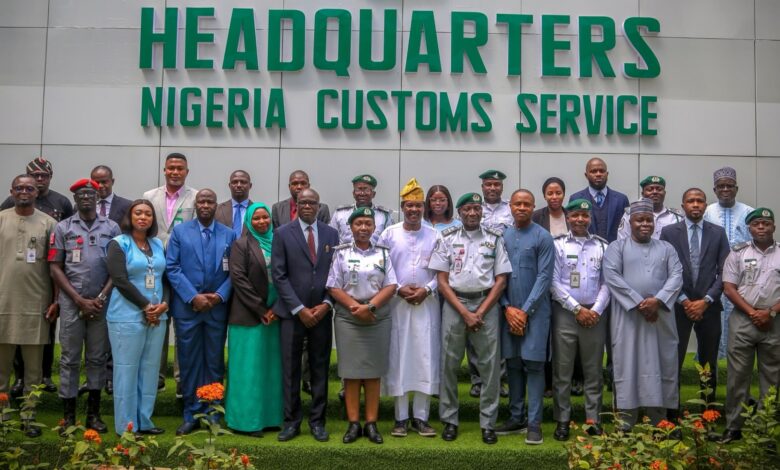
The Nigeria Customs Service (NCS) has reaffirmed its commitment to sustaining Nigeria’s removal from the Financial Action Task Force (FATF) grey list, describing the achievement as a significant milestone that must be protected through sustained collaboration and effective implementation of anti-money laundering measures.
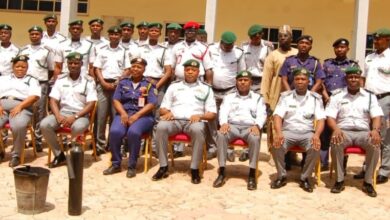
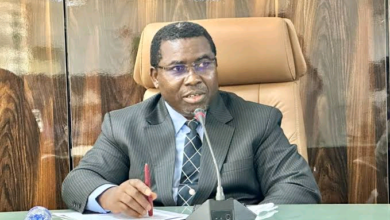
The Comptroller-General of Customs, Adewale Adeniyi, represented by the Deputy Comptroller-General in charge of Finance, Administration and Technical Services, DCG Kikelomo Adeola, gave the assurance on Monday, October 26, 2026, during a stocktaking meeting at the Customs headquarters in Abuja.
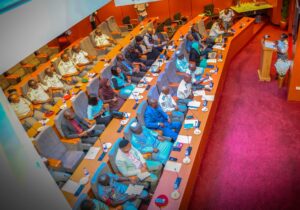
The meeting was organised ahead of Nigeria’s forthcoming Anti-Money Laundering and Countering the Financing of Terrorism (AML/CFT) mutual evaluation, which is expected to assess the effectiveness of the country’s institutions in implementing measures to combat financial crimes.
Adeola described the exercise as an important opportunity to review Nigeria’s progress, identify existing gaps, and develop strategies to ensure that the gains recorded so far are sustained.
She pointed out that maintaining the country’s improved standing would require continuous commitment and a willingness to address outstanding challenges.
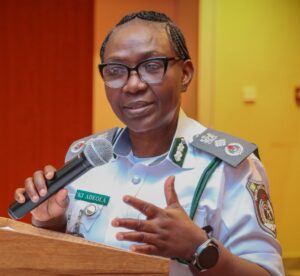
“It is an opportunity to take an honest look at the progress Nigeria has made so far, identify the gaps that presently exist and ensure that Nigeria’s achievements are sustained, because if they are not, it is like one step forward, two steps backwards, and that should not be our portion,” she said.
The DCG commended the Nigerian Financial Intelligence Unit (NFIU) for its initiatives and programmes aimed at preparing the country for a successful third mutual evaluation.
Adeola expressed confidence that Nigeria would maintain its progress, declaring, “I believe Nigeria will never go back to that grey list.”
She also emphasised the strategic role of the NCS in safeguarding the country’s financial system, noting that its responsibilities in facilitating legitimate trade and monitoring the movement of goods across borders made it an important stakeholder in the fight against illicit financial activities.
However, she noted that achieving the desired results would require coordinated efforts among relevant government agencies and institutions.
“A tree does not make a forest,” she said, stressing the need for stronger inter-agency cooperation.
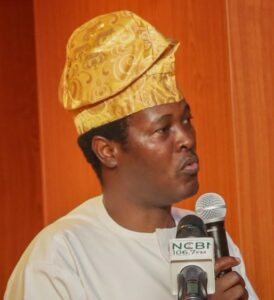
Speaking at the meeting, the Chief Executive Officer of the NFIU, Hafsat Abubakar, represented by the Chief Operations Officer, Law Enforcement Support and Coordination, Emmanuel Sotande, thanked the NCS for hosting the session and contributing to discussions on the country’s preparedness for the forthcoming evaluation.
Sotande stated that the stocktaking exercise provided an opportunity to assess achievements, identify outstanding gaps, and strengthen collective readiness for an evaluation that would examine how effectively institutions implement international standards designed to protect the country’s financial integrity.
He described Nigeria’s removal from the FATF grey list in October 2025 as a major achievement resulting from collective efforts by relevant institutions.
“Nigeria’s exit from the FATF grey list in October 2025 was a significant achievement that we all achieved by working together,” he said, adding that the priority was now to sustain the progress and demonstrate lasting effectiveness.
Sotande stressed that Customs plays a critical role in Nigeria’s anti-money laundering, counter-terrorism financing, and counter-proliferation financing framework, beyond its traditional responsibilities of revenue generation, trade facilitation, and border enforcement.
He explained that the Service’s access to import and export documentation, cargo information, trade records, and border intelligence placed it in a strategic position to identify suspicious cross-border activities and support investigations into illicit financial flows.
“Customs plays a vital role in detecting suspicious transactions and activities across borders.”
Sotande added that effective information sharing between the NCS and the NFIU would strengthen the country’s capacity to identify suspicious networks, trace illicit proceeds, and support appropriate enforcement actions.
He emphasised that sustained coordination among relevant agencies remained essential to demonstrating the effectiveness of Nigeria’s anti-money laundering and counter-terrorism financing framework.
The meeting highlighted the importance of consolidating the gains made since Nigeria’s removal from the FATF grey list, with stakeholders expected to continue strengthening institutional capacity, closing identified gaps, and improving cooperation ahead of the next mutual evaluation.