ASUU Rules Out Strike, Threatens Action Over Unimplemented Agreement in State Universities

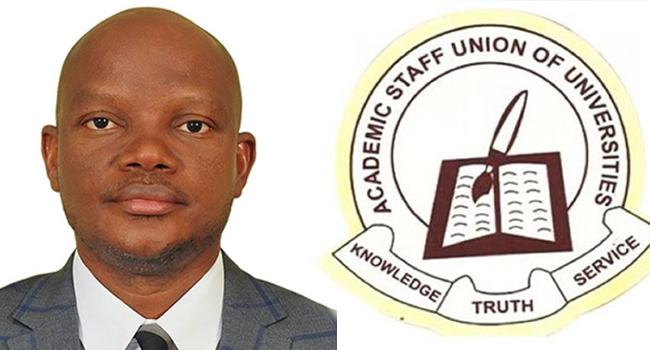
The Academic Staff Union of Universities (ASUU) has dismissed reports of an impending nationwide strike but warned that continued failure by state governments to implement the 2025 agreement reached with the union could trigger disruptions in the university system.
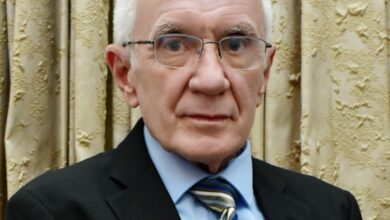
ASUU President, Prof. Christopher Piwuna, stated this during an interview on Channels Television’s Political Paradigm programme on Tuesday.
Piwuna disclosed that the union currently has no plans to embark on a strike, stressing that ASUU remains committed to engagement and dialogue. However, he noted that unresolved issues in several state-owned universities could compel the union to take action if authorities fail to address them.
He affirmed that while the Federal Government (FG) has made progress in implementing aspects of the agreement signed with ASUU in December 2025, most state governments have shown little commitment to fulfilling their obligations under the pact.
He explained that although federal authorities had released funds to universities for the implementation of the agreement, some institutions were yet to receive the allocations. He confirmed that ASUU was engaging relevant authorities to determine the cause of the delays.
The ASUU president expressed dissatisfaction with the pace of implementation, noting that several key provisions of the agreement remain outstanding months after government promised to commence implementation from January 1.
Among the unresolved issues, he identified the proposed National Research Council and concerns over university autonomy, particularly regarding what he described as attempts by the Federal Ministry of Education to regulate the award of honorary degrees by universities.
Piwuna maintained that decisions relating to honorary degrees fall within the powers of university senates and governing councils, warning against actions that could undermine institutional independence.
On the situation in state universities, he accused many state governments of benefitting from interventions secured through ASUU’s advocacy while neglecting the welfare of academic staff. He declared that some states had failed to implement agreed salary and welfare provisions despite receiving funds meant for the development of their institutions.
The union leader also revealed that only Bauchi and Ekiti States had fully implemented the agreement in their state-owned universities, commending Governors Bala Mohammed and Biodun Oyebanji for complying with the terms.
He lamented the difficulty unions and university administrators face in gaining access to state governors to discuss critical issues affecting tertiary education, describing the lack of engagement as a major obstacle to resolving disputes.
Piwuna equally criticised political leaders for what he called their indifference to stakeholder engagements aimed at addressing national challenges. He recalled that major political actors and government officials failed to attend a state-of-the-nation conference organised by ASUU in 2024 despite being invited.
Speaking on the union’s relationship with the Minister of Education, Dr. Tunji Alausa, Piwuna acknowledged the minister’s accessibility and willingness to engage stakeholders. However, he faulted the ministry for delays in translating agreements into concrete actions, saying implementation has often occurred only after pressure from the union.
The ASUU president further questioned the FG’s decision to approve the establishment of foreign universities in Nigeria while local institutions continue to grapple with inadequate funding and unimplemented agreements.
He argued that government should prioritise strengthening existing universities rather than focusing on attracting foreign institutions, insisting that improving local institutions remains the most sustainable solution to challenges in the education sector.
He reiterated that no nationwide strike had been declared, while warning that ASUU would not hesitate to deploy legitimate measures, including protests and industrial actions, where necessary to ensure compliance with agreements and protect the welfare of its members.