The Nigeria Customs Service (NCS) has launched a Technical Assistance Mission on Post Clearance Audit (PCA) in partnership with the World Bank Group under the Accelerated Revenue Mobilisation Reform (ARMOR) Programme, scheduled to take place from June 1 to 12 at the Service’s headquarters in Maitama, Abuja.
The workshop seeks to strengthen compliance management, revenue assurance, and trade facilitation through modern audit practices.
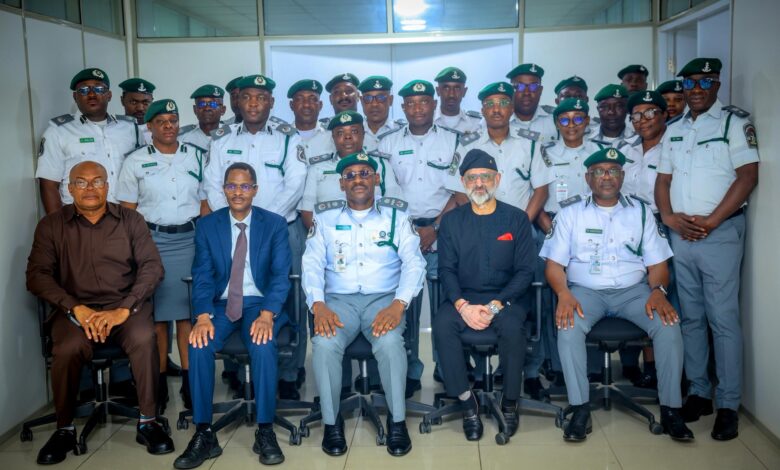
In his opening remarks, the Comptroller-General of Customs, Adewale Adeniyi, represented by Assistant Comptroller-General Babatunde Olomu, described the mission as a significant step towards advancing the Service’s modernisation agenda and strengthening its capacity as a technology-driven, intelligence-led, and globally competitive customs administration.
ACG Olomu noted that modern customs administrations increasingly rely on intelligence-led, risk-based, and post-clearance interventions that promote voluntary compliance while supporting legitimate trade and economic growth.
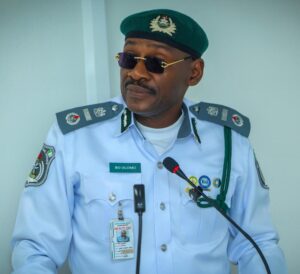
He explained that the mission offers an opportunity to assess existing processes, identify operational gaps, adopt international best practices, and develop practical solutions to strengthen the Post Clearance Audit framework.
Olomu highlighted risk-based targeting, case management, registry management, quality assurance, standardisation, and integrated audit systems as key areas of focus.
He emphasised that effective Post Clearance Audit enables Customs to move beyond transaction-based controls to a strategic compliance management approach that enhances revenue assurance, facilitates legitimate trade, strengthens transparency, and boosts public confidence.
“This mission presents a valuable opportunity to critically assess our existing processes, identify gaps, learn from international best practices, and develop practical solutions that will strengthen our PCA framework and overall compliance management system,” he stated.
Olomu commended the Comptroller-General for his commitment to modernisation and capacity building and also appreciated the World Bank and other development partners for their sustained support for Customs reforms.
He urged participants to actively engage throughout the programme and ensure that lessons learned are translated into measurable improvements in daily operations.
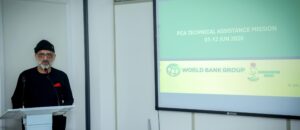
Speaking at the event, World Bank Task Team Lead, Moses Kajubi, declared that the mission is designed to strengthen the capacity of Post Clearance Audit officers through modern customs practices, practical audit tools, and internationally recognised methodologies.
Kajubi explained that participants would be exposed to global best practices, case management techniques, and compliance management strategies that can be adapted to Nigeria’s operational environment.
He stressed the importance of leveraging technology, structured case management systems, and data-driven decision-making to improve audit quality, compliance monitoring, and trade facilitation outcomes.
“This engagement will equip participants with practical tools and global best practices that can be applied directly in the field to improve the effectiveness of Post Clearance Audit operations,” he said.
Kajubi expressed confidence that the engagement would strengthen institutional capacity and contribute significantly to the Nigeria Customs Service’s modernisation objectives.
On his part, the Lead Consultant for the ARMOR-P, Colonel Aloke Dutt, noted that the mission seeks to enhance trade facilitation, optimise revenue, and improve compliance management through a more structured and unified approach to Post Clearance Audit.
Dutt stressed the need for standardised audit methodologies, effective monitoring mechanisms, and the integration of data analytics into audit processes to improve accountability and operational efficiency.
He also highlighted the importance of leveraging technology-driven solutions such as the B’Odogwu platform and developing Standard Operating Procedures (SOPs) to support a competency-based audit system across the Service.
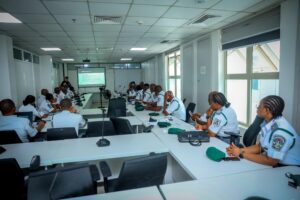
During a technical session, Assistant Comptroller of Customs, Muhammad Jubril, demonstrated the Post Clearance Audit process on the B’Odogwu platform, explaining how officers can initiate audit reviews using Harmonised Commodity codes and other risk indicators.
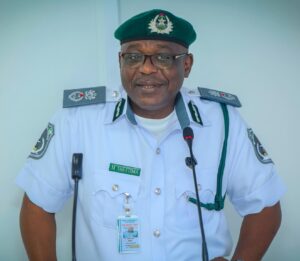
In his closing remarks, Comptroller Muhammad Shettima urged participants to maximise the opportunities provided by the workshop and apply the knowledge gained to achieve the strategic objectives of the NCS.