
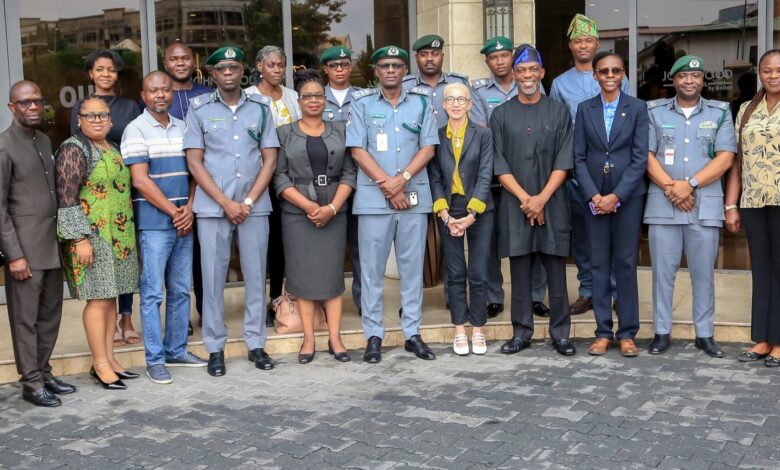
The Nigeria Customs Service (NCS) has announced the commencement of a three-day capacity-building programme on Rules of Origin for the implementation of the African Continental Free Trade Area (AfCFTA).
The training, which began on March 31, 2026, and will end on April 2, 2026, aims to equip stakeholders with the technical knowledge needed to enhance Nigeria’s participation in intra-African trade.
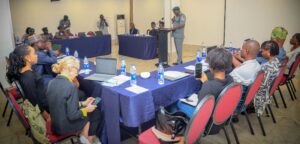
The NCS reiterated its commitment to the effective implementation of the AfCFTA, highlighting the importance of enhancing continental trade.
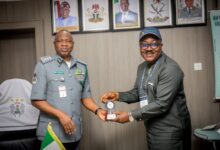
While declaring the programme open, the Comptroller-General of Customs, CGC Adewale Adeniyi, who was represented by the Assistant Comptroller-General of Customs in charge of Strategic Research and Policy, Nafiu Isiaku, described the initiative as critical to strengthening both trade facilitation and enforcement.

“The Rules of Origin constitute a very critical pillar of economic integration. Their correct interpretation and implementation are fundamental to trade preference, transparency, and competitiveness,” CGC Adeniyi said.
He noted that the workshop is structured to provide both technical knowledge and practical skills, including planning, execution, and evaluation, to ensure effective nationwide implementation.

Earlier in his remarks, the National Coordinator of the AfCFTA, Olusegun Olutayo, described the training as a turning point in Nigeria’s transition from policy discussions to full implementation.
“This agreement must not remain at the level of policy; it must translate into jobs, income, and real opportunities for Nigerians,” Olutayo stated.
He stressed the need to scale awareness and equip businesses with practical knowledge, particularly on the Rules of Origin, to enable them to compete effectively across African markets.
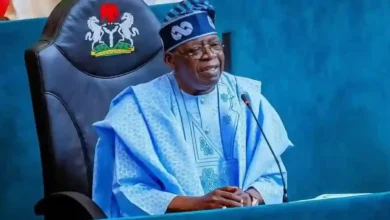
The Coordinator also expressed appreciation to the Presidency and acknowledged President Bola Ahmed Tinubu for his leadership and commitment to economic growth.
He further commended development partners, including the World Customs Organisation (WCO) and the European Union (EU), for their continued technical and capacity-building support.
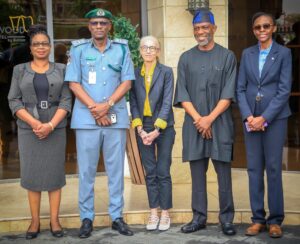
Participants were urged to take the training seriously and ensure that the knowledge gained is effectively applied so that no Nigerian business is left behind due to a lack of awareness.






6w4hmy