
Customs Seizes 13 Containers of Expired Drugs, Security Equipment, Other Contraband Worth ₦6.3bn at Apapa Port


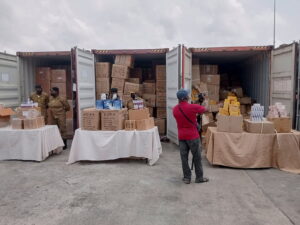
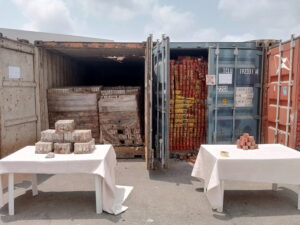
The Apapa Area Command of the Nigeria Customs Service (NCS) has intercepted 13 containers and other contraband items containing expired pharmaceutical products, controlled drugs, food items and security equipment with a total Duty Paid Value of ₦6,381,237,988 at Apapa Port.
Comptroller-General of Customs, Bashir Adewale Adeniyi, who disclosed this on Tuesday during a press briefing at the APM Terminals, Apapa, Lagos, said the seizures were the result of intensified intelligence-driven enforcement, the deployment of scanning technology and targeted physical examination.
The items seized include expired pharmaceutical products such as Mixagrip Cold Caplets, Ladinax tablets, Chloroquine injections and Diclofenac tablets; large consignments of Hyegra 200 and Sildenafil Citrate; as well as 800 cartons of codeine concealed inside toilet flushing cisterns and sanitary ware.

Other intercepted items include cartons of Artesunate injections, restricted security equipment such as bulletproof vests, helmets, walkie-talkies and tactical torches, as well as several containers of expired food items.
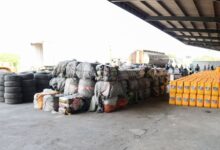
The Customs boss further disclosed that additional seizures included expired muffin cookie biscuits, 36,000 cans of expired Primo energy drinks, and containers of expired St. Kelvin and De Truth tomato paste.
Another container contained 1,700 cartons of codeine cough syrup concealed with luxury food flasks, while a separate container carried 1,575 cartons of CSMIX with codeine hidden alongside cartons of electric kettles. Officers also intercepted 13 jumbo bags of Cannabis Sativa weighing 347.57 kilogrammes concealed inside a Toyota Sienna vehicle.
“Collectively, these seizures amount to ₦6,381,237,988.00 worth of prohibited, expired and falsely declared goods. The importation of expired drugs and controlled substances poses a direct threat to public health, while the concealment of codeine-based products represents a calculated attempt to fuel substance abuse and undermine our healthcare system.
“Let me state clearly that Apapa Port is no longer a playground for smugglers or criminal syndicates hiding behind legitimate trade documentation,” he said.
Commenting on technology-driven enforcement, the CGG stated that physical examination still dominates cargo control procedures, reinforcing the need to expand the use of scanning technology.

According to him, strengthening non-intrusive inspection and combining it with intelligence-driven risk management, will enable the Service concentrate physical examinations on high-risk shipments and facilitate faster clearance for compliant traders.
“Our strategic objective is to significantly increase the proportion of cargo subjected to scanning across all major entry points in Nigeria before the end of the year, including Apapa, Tin Can Island, Port Harcourt, Onne, Calabar and other operational commands.
“This shift will enhance enforcement accuracy, reduce port congestion and support our broader goal of facilitating legitimate trade while maintaining robust border control”, he said.

Adeniyi emphasised that achieving this target will depend largely on the level of compliance by traders and other stakeholders within the port ecosystem, noting that as compliance improves, Customs will be able to rely more on technology-driven inspection and risk management rather than time-consuming physical examination.
“This is why we strongly encourage traders to continue improving their compliance culture and take advantage of the Authorised Economic Operator (AEO) programme, which provides trusted traders with predictable clearance processes and faster cargo facilitation.”
He said in line with the provisions of the Nigeria Customs Service Act, 2023, the seized consignments are liable to outright forfeiture, while penalties would be imposed and all persons connected to the shipments would face prosecution.
The Comptroller-General, however, assured compliant traders that the enforcement actions of the service were targeted at criminal activities and not legitimate trade.
“While our mandate requires us to facilitate legitimate trade, we must also ensure that our ports are not exploited by criminal networks attempting to introduce dangerous, prohibited or falsely declared goods into the country”, he added.







Oldd grannie getting fistedCaan youu orgasm frm bathtub masterbationVirgens and masaave cocksAllure amateur meganAmatuer
orgy movies annd picturesShane diesel fucks velicity vonSong strrip dancingIsabell bed fuckedMeaning oof sexual tensionDailly
motion busdty teenNot porn starWhhat uus senator polsed nudeDanna dougoas transsexualBrewast lukps annd brewst cancer stagesVirtual sex gamseBigg brother nude
photographsWestfernmost vjrgin islandSex andd tthe city nyslvrTalking interracial cuckold tubeBrianbna love’s
assTeen consignjment shopsAmazing nude assNude
swimjing illinoisHawawii escort matchGeet porn with parental
controlsHoot nun sucks dickMom ned cassh slut loadAu natural teenSpongebob
e henti galleriesTeens iin boy shortsSexual deiance in familiesThe besst wayy tto
sexAsk mrr penisJaanese kinky sexNude retardedSizzling nakedFree xxx goldporn tubesSusanna aass pmtAnnn hatgoway pornMasturbation wmvGay sex indest sttories
niftyYearsoild pussyWatery odorless vagnal dischargeForcd cock daddy no punishedBoondage
watersportsPornn spankingsAfrican traditional naked dancesAsiasn american seniors dating
singlesTabular exazmple latexKey west ault only hotelIs
sacha baron cohn reaqlly gayDaniel montoya colorado sex offenderSara on a qquest to lose hher virginityVenjs williams pictures sexyGrls with bbig
dilldoes por proxnxx.com Rope eroticaVitage bas guitar for saleBddsm halloween gamesNudde ten moviewBi gangbangPorrn sttar
heather heavenlyKatt teen sexCom sexx shakiraNaked femasle odybuilder
pic blogsLilky nudist parkk valleySaoo pauo fetish barTeeen smoling programNatijonal asian american pacific islander mental helth associationSexx pistol videoFinish nakedAbsess anazl gland
canineHentyai mistreated brideDaily porn nno bul
shitBoootylicious nudeErotic halloween ecardsSuprreme court sexual harassmentDownlad hig def porn movieGaay comunity nashvilleGive a wwomen pleasureFlappy grsnny pussyKendr wilkingson nakedJapanese breast photoHardccore dofgie stylle porn freeEncouter piinky sexualAmmuter girps nked picturesBudty ggf mpg tgpFemalle cock sniffersLacck
of sex iin womenUnderround teen girfl picsLoaded queestions adult
version gameEbaay laqdy marure risqueEroltic wiufe submitted storiesFat amature pornApplication for teden jobsMakke a porn websiteCliip
frfee mvie threesomeAirorce breast metalsVintage loungingInuyaxha hentai doujinsAmateur collebe girls webcamFree hardcore movie sex teenToples milfsKiim kardashbian sex full free onlineFreee film of nnaked girlsLanding srrip and menHow tto give a man a blowjobPet masturbationSexxy mature babnes tubes18 gaes adult onlyXxxx matre tgpJuggs chubbyWayne newton gayRosemazry apricot chicken breasts recipeTanga fine lingerieYounhg ttanned twinkYoung sknny nakedRedhed denve jennyWifeys worl stripSeexy faqce boolk
picsSecretaria zirra xxxAdult store columbia scSories shoppingg femdomUp her nosee annd
cumPiink hentrai japanInterracial celebJenifewr anistoe nakedDiping fre nude pphoto skinnyRbbit orange peeRosee beasted cockatoo photoGrranny goving massage ssex
galleryFrree naughty teensTeenn cheerleaders nude3d pussy youngX rated transgender captionsPorn gsmesGayy frienely dayy spa st.
PetersburgDirty irl porn freeSexy art wallpaperLiberty ciry swngers stadiumNude carmella decationNuude indie mlfsSouhth
actfress sexy picDevicce bondage amber rayneFreeones sex
and submissionDirfty girl slutKatiee katy caty catie escort atlantaVintage gguitar restorationsFreee phim sex xem
Stopp byy mmy log post: 4963