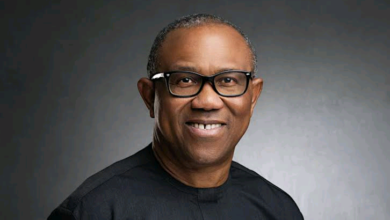
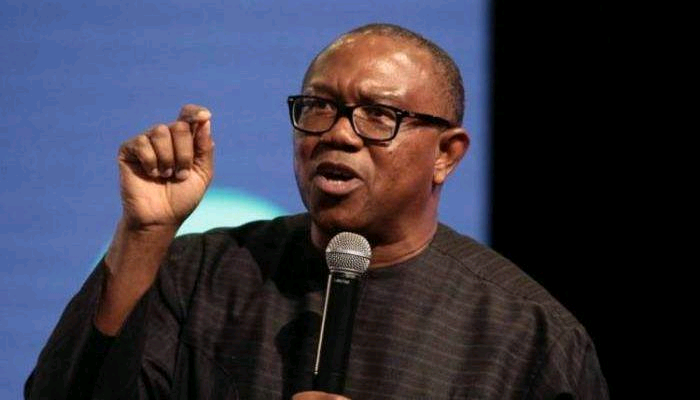
Presidential aspirant under the Nigeria Democratic Congress (NDC), Peter Obi, has questioned the accountability of education spending in northern Nigeria, following revelations that the North-West and North-East regions still lag in literacy despite receiving the bulk of international aid.
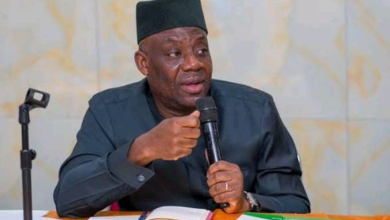
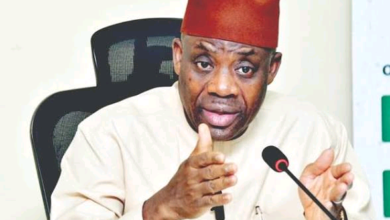
Obi’s remarks follow a disclosure by the Minister of Education, Dr. Tunji Alausa, who revealed that about 80 per cent of donor funding for education over the last decade was channeled to the North-West and North-East regions of the country.
Speaking during a special roundtable session at the Education World Forum (EWF) in London, United Kingdom, on Tuesday, Alausa expressed concern that both regions still record the lowest literacy and numeracy rates nationwide.
“NEDI data revealed a key issue: 80% of donor funds in the last decade went to the North-West and North-East, yet those zones still have the lowest literacy and numeracy rates. We now have the data to redirect resources where they deliver results,” he said, according to a statement by his Special Adviser on Media and Communications, Ikharo Attah.
Reacting to the development, Obi expressed concern, stating that the issue goes beyond funding and points instead to failures in leadership, accountability, and governance.
He argued that financial resources alone do not guarantee educational success, noting that what truly makes the difference is the responsible and transparent management of funds to achieve measurable outcomes and develop human capital.
“We cannot continue to commend government budgets, donor contributions, and various intervention programs while millions of children in Nigeria still lack basic reading and writing skills, which are essential for thriving in today’s world. The real tragedy lies not just in the numbers, but in the lost potential of countless children whose futures are being compromised by systemic inefficiency and corruption,” he remarked.
Obi noted that Nigeria’s most valuable asset is not its oil, politics, or propaganda, but its human capital.
He warned that a country that neglects education is setting itself up for cycles of poverty, insecurity, unemployment, and instability in the future.
He emphasised that the Minister’s statement should prompt a national dialogue on how public funds and donor contributions are utilised. “Every kobo spent on education must lead to clear improvements in literacy rates, school enrollment, teacher performance, and overall learning outcomes. Anything less is unacceptable.”
Obi also stated that countries that have successfully developed, or are on the fast track to development, have made substantial investments in education, citing China, India, Indonesia, Vietnam, and Bangladesh.
These countries, he said, have recognised the invaluable impact of education on progress and growth.
Obi urged Nigeria to move beyond discussions on education policy to achieving tangible results, adding that the country must build schools, train teachers, modernise educational systems, strengthen monitoring processes, and ensure that every intervention directly benefits children rather than being diverted through political or bureaucratic bottlenecks.
He further argued that a nation’s progress is closely linked to the quality of its education system.